


Preferences and support
Discuss location, cultural needs, communication preferences and the people the person wants involved. Share what matters to their daily life with the receiving team.
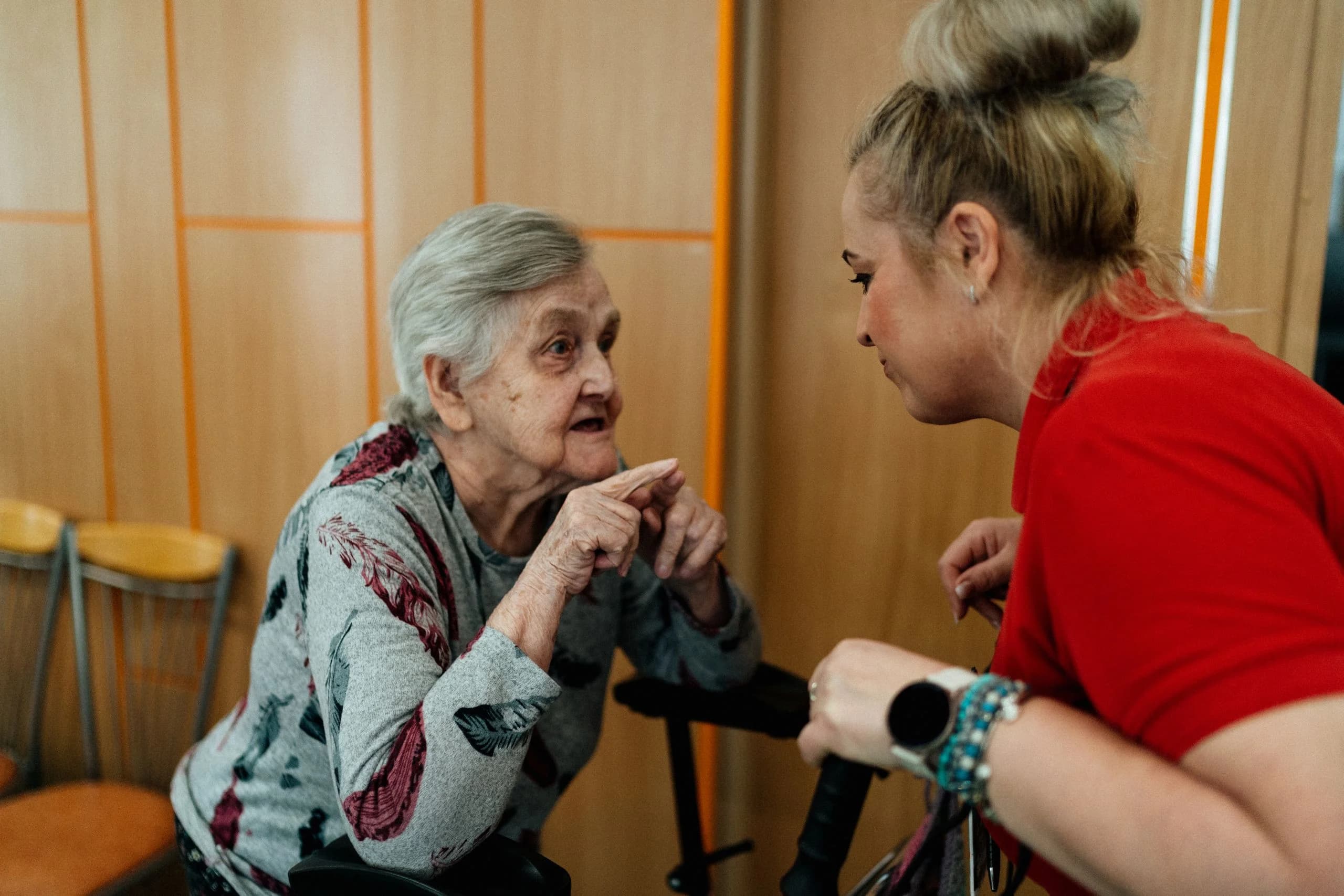
Resources for social workers supporting a person to explore residential care, compare local homes and prepare for a move. Keep the person's preferences and family or whānau involvement at the centre of the conversation.
Download a one-page guide to share after your conversation. It includes practical next steps, local care phone numbers and space for questions to take to a visit.
Download the guide (PDF, 1 page)Call to discuss a potential referral, care suitability and current availability. Ask the team how to securely share patient information before sending any documents.
Discuss location, cultural needs, communication preferences and the people the person wants involved. Share what matters to their daily life with the receiving team.
Help the person identify questions about accommodation, care charges and possible funding. Ask for a clear explanation of costs and the relevant agreements before decisions are made.
Coordinate proposed timing, transport, personal belongings and communication between the person, family and services. Confirm acceptance and practical arrangements before organising the move.
Use the community contact details to arrange a visit. This is an opportunity to meet the team, see the setting and discuss daily routines and support.
Our aged care funding guide introduces the questions to consider. Eligibility and individual funding arrangements need to be confirmed with the relevant assessment and funding services.
A needs assessment helps establish the level of care and services a person needs. The local Needs Assessment and Service Coordination (NASC) service works with the person and, where appropriate, their family or whānau.
Read the New Zealand Government guide to starting residential careSpeak with the local team about the person's needs and the information required to consider a placement.